
When Tablets Hide the Truth: The Risk of Self-Medication
In India, self-medication is not an exception — it is a habit.
A headache? → Take paracetamol.
Still there? → Saridon, Voveran, or a “strong tablet” suggested by a friend.
Dizziness? →, Stemetil, or leftover medicines from an old prescription.
Neck pain? → Painkillers + muscle relaxants — daily.
This cycle continues for weeks… sometimes months.
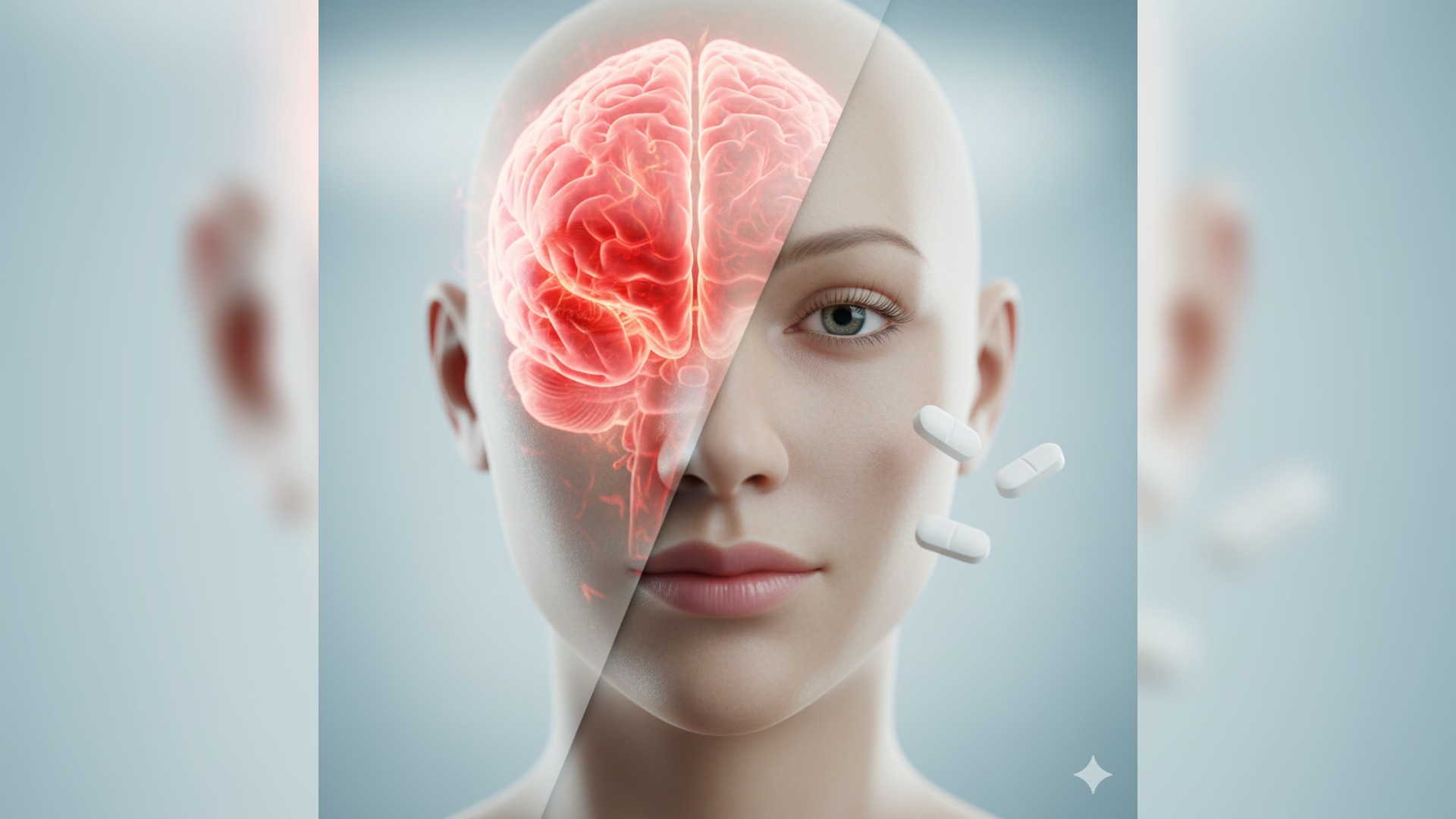
By the time the patient reaches a neurologist or neurosurgeon, the disease has often progressed silently underneath the temporary relief.
Why Self-Medication Is Especially Dangerous for Brain Symptoms
Painkillers don’t cure brain disease.
They mask warning signs.
The brain often gives subtle signals, not dramatic pain. When these signals are suppressed repeatedly with medication, diagnosis is delayed.
A very common pattern I see in my clinic:
Headache or dizziness
→ Over-the-counter painkillers
→ Temporary relief
→ Symptoms return, stronger
→ Higher doses or stronger drugs
→ Finally, a scan — revealing a tumor, bleed, stroke, or severe migraine disorder
The tragedy is not the diagnosis.
The tragedy is the lost time.
Medication Overuse: When the Treatment Becomes the Disease
Frequent use of painkillers can itself create new problems:
- Medication-overuse headaches (daily, dull, intractable headaches)
- Gastric ulcers and kidney damage
- Masking of stroke warning signs
- Delayed diagnosis of tumors, infections, or cervical spine problems
- Steroid misuse causing hormonal imbalance and immunity issues
I often tell patients:
“If a tablet is needed every day, the problem is not the pain — it is the cause behind it.”
Why Do People Self-Medicate?
Several reasons — all understandable, but dangerous:
- “It worked last time”
- “It’s just stress”
- “MRI is expensive”
- “What if they find something?”
- “My neighbor had the same problem”
- Easy availability of strong medicines without prescription
- Social media reels promoting shortcuts instead of science
Fear delays action.
Denial prolongs damage.
The Illusion of Safety: “I’m Functioning, So I’m Fine”
One of the most dangerous myths:
“If I can still work, it can’t be serious.”
Many neurological conditions do not stop daily activity initially:
- Brain tumors
- Small strokes
- Cervical disc disease
- Chronic migraine disorders
- Early infections
By the time function is affected, damage has already occurred.
A Simple Rule Every Patient Must Remember
- One-time pain → Observe
- Repeating pain → Evaluate
- Daily medication → Red flag 🚩
Self-medication beyond 2–3 days is no longer self-care — it is self-harm.
What You Should Do Instead
- If symptoms repeat or persist, consult a doctor
- Don’t fear MRI or CT — they provide clarity, not danger
- Avoid mixing medicines without guidance
- Never treat brain symptoms based on online advice alone
Closing Message to Readers
Relief is comforting.
But clarity is lifesaving.
Painkillers can silence symptoms — only diagnosis can save the brain
Written by
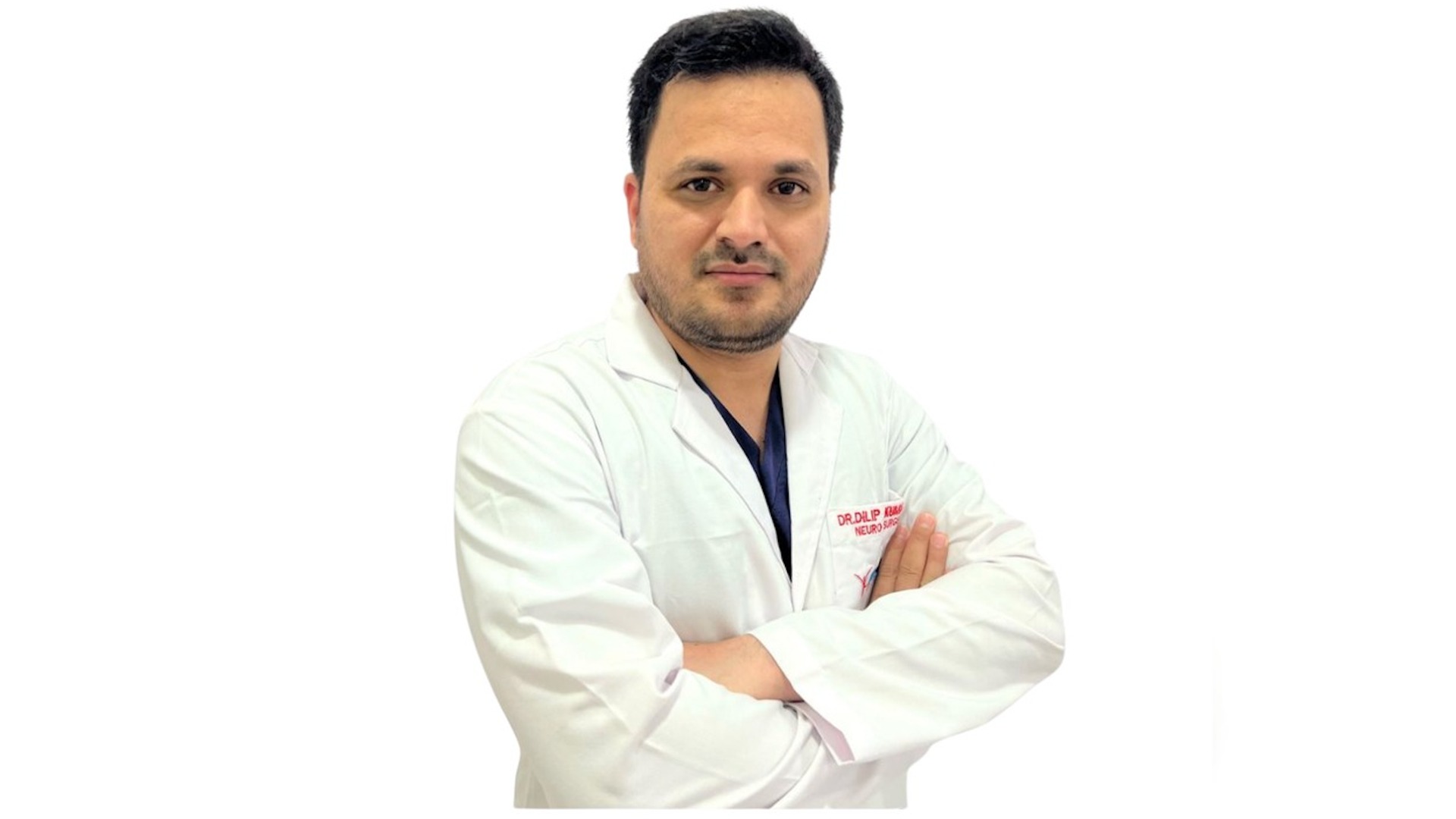
Dr. Dilip Kumar Macharla
MBBS, DNB (Neurosurgery), Fellowship (Epilepsy & Skull Base Surgery)
Consultant Neurosurgeon
* This article is written for public health awareness and does not replace professional medical consultation.